What does access mean if it cannot be relied upon? Robin Emerson's family experience offers a concrete starting point for that policy question. A change in the law, a prescription and continuity of access are distinct matters. Looking at them separately is not an argument for any particular medicine. It is an argument for taking the practical experience of patients seriously when judging how a framework operates.
The background
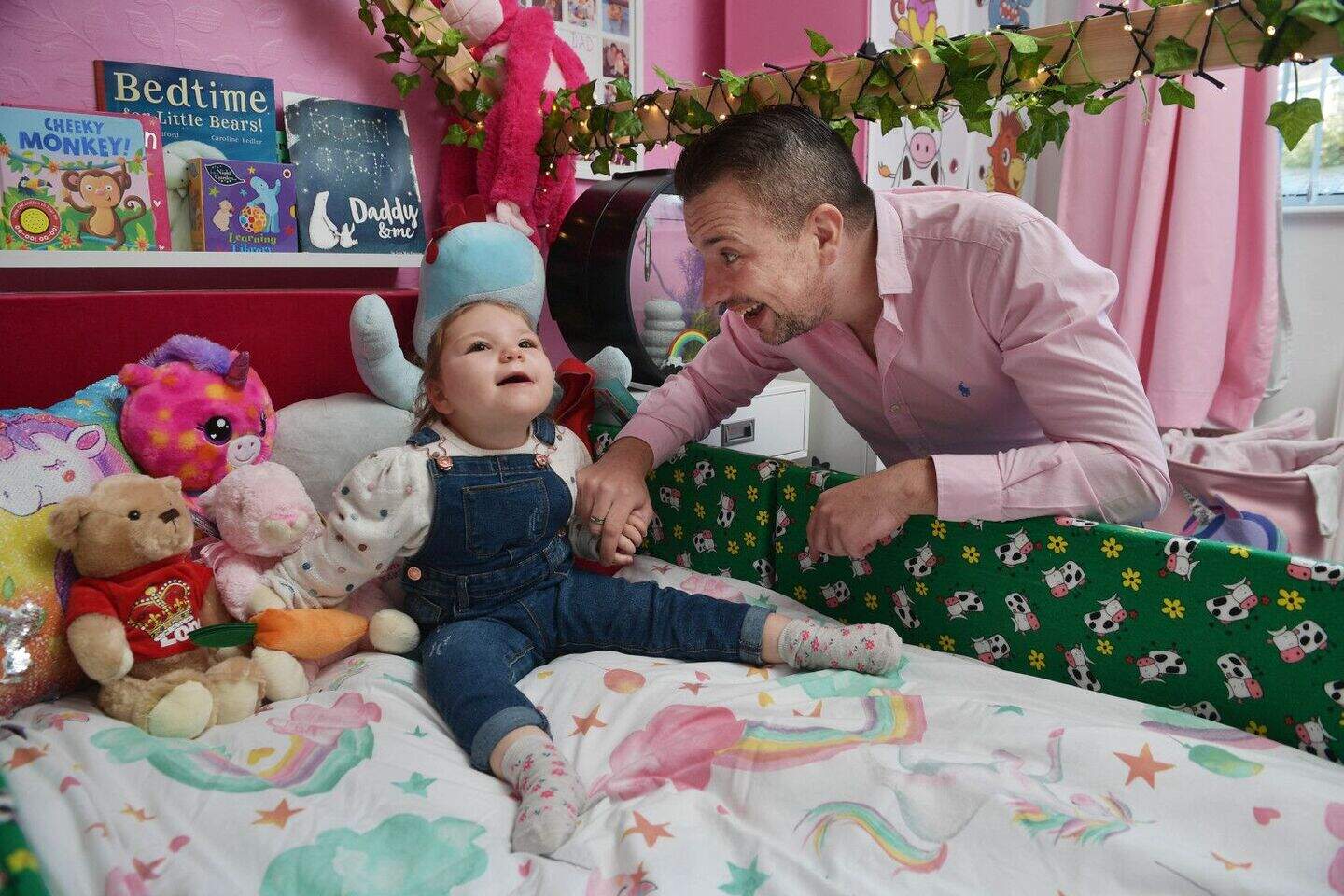
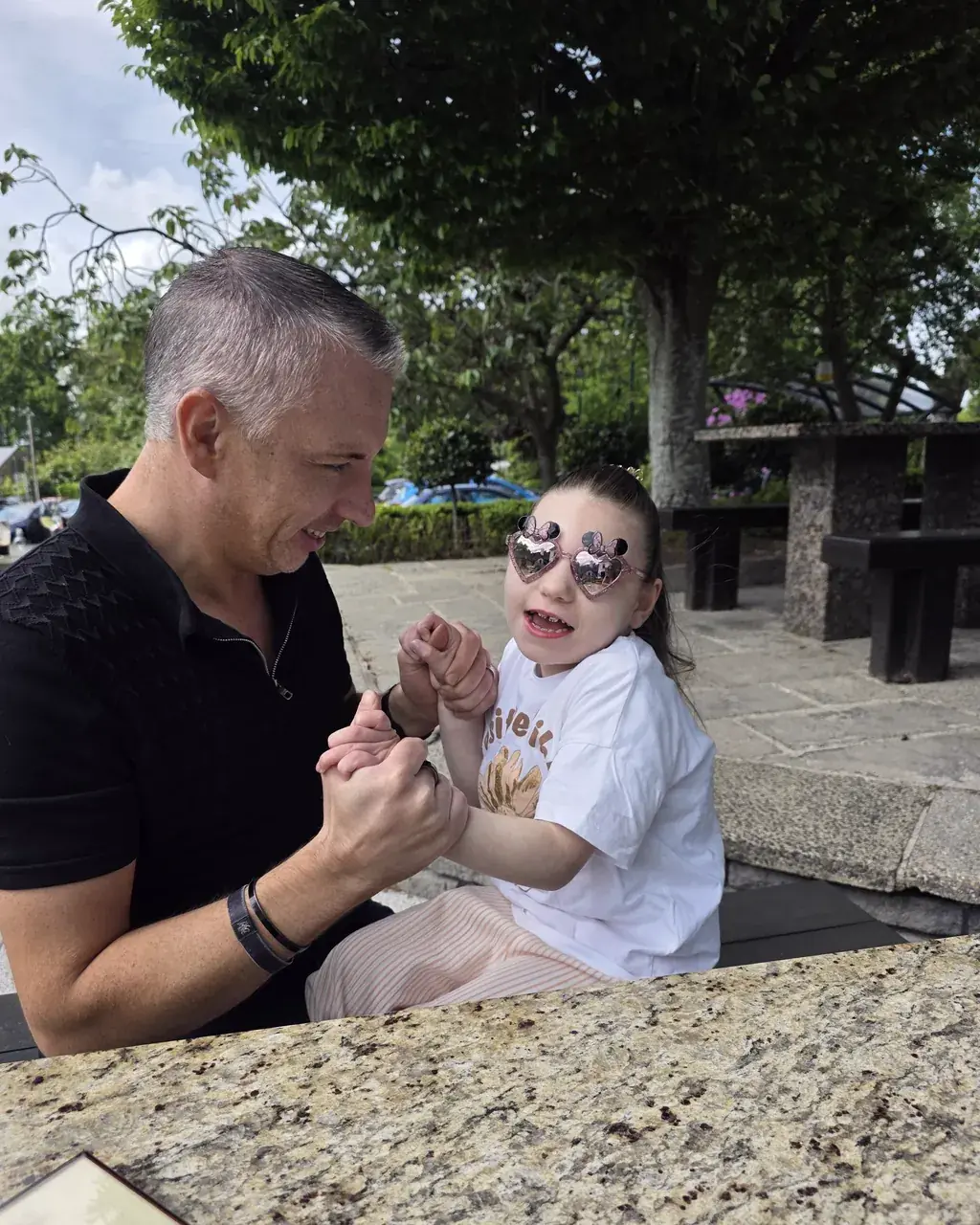
Jorja was born with a rare chromosome disorder. At around 10 months old it triggered severe epilepsy, and every seizure was potentially life threatening. In 2017, doctors in Northern Ireland told the family to prepare to say goodbye. Robin refused to accept that nothing could be done. He researched evidence worldwide and spoke to clinicians and families in the US, Canada and Australia.
He campaigned for the law to change. On 1 November 2018, cannabis based products for medicinal use became legal to prescribe in the UK. In December 2018, after Robin persuaded a private neurologist in London to help, Jorja became one of the first children in the UK, and the first after the November 2018 law change, to be prescribed medical cannabis. The family flew to London for repeat prescriptions.
Robin gave written evidence to the House of Commons Health and Social Care Committee on access to medical cannabis. That evidence included the supply interruptions families faced. In January 2020, he joined Cannaray as Patient Advocate Director, and Jorja's prescription was fulfilled through that partnership. These events belong to the history of the family's access, not to a recommendation for another patient.
In 2021, the specialist prescribing for Jorja retired, highlighting how fragile access was for children. Robin continued to campaign, including at Parliament in 2022 alongside a public petition for NHS access. Retirement is an ordinary event in a professional life. In this personal story, it also brought the question of continuity into focus. A useful policy discussion asks how responsibility can continue when the people involved change.
In 2023, Robin opened the clinic then known as the Jorja Emerson Centre, now Jorja Medical Cannabis, near Paddington, London. He gave a keynote at Cannabis Europa London 2023 on his journey from activist to business owner. Business of Cannabis reported Jorja as seizure free and thriving. That is a report about Jorja's personal experience. It cannot establish what any medicine will do for another person, and it should not be read as a general treatment claim.
Today, Robin leads Jorja Revive. His work on government relations seeks to professionalise the UK medical cannabis framework and build a coalition of responsible operators, with an international outlook. This places access and accountability within the same conversation. The purpose of an editorial account is to explain that direction, not to promote a clinical service or encourage a reader to seek a prescription.
A question for the framework
The argument for standards here is editorial interpretation of the chronology, not a finding about the effectiveness of a medicine. Supply interruptions and the retirement of a specialist show why continuity deserves attention. They invite questions about responsibility, communication and resilience. They do not provide a complete assessment of the UK system. A serious discussion can recognise those limits while still asking whether access depends too heavily on individual arrangements. Patient experience should inform that discussion alongside professional judgement and evidence, without substituting for either. Accountability is a useful starting point precisely because it asks who remains responsible over time.